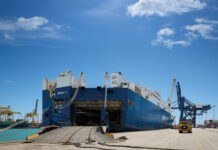
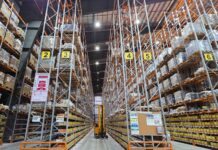
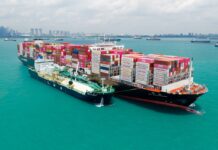

Thailand’s role as a regional trade hub has been defined by the steady growth of Laem Chabang Port, the country’s principal deep-sea gateway. Over three decades, the port has developed into one of Southeast Asia’s busiest container terminals, supporting manufacturers, exporters, and global carriers that rely on predictable and efficient supply chains.

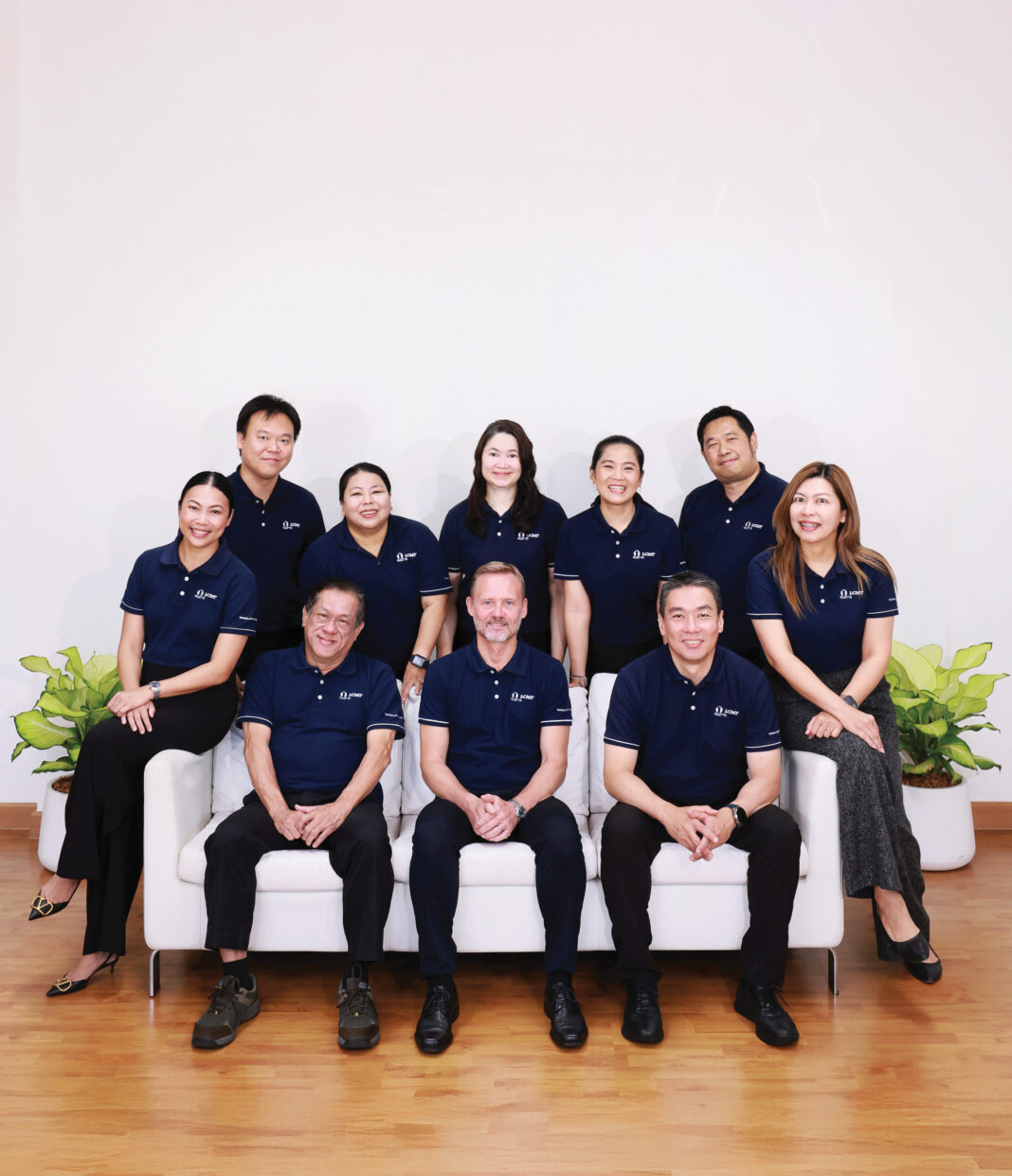
One of the key players to deliver this success is LCB1 Group, which this year reflects on thirty years of operations at Laem Chabang and the value of long-term partnerships in building national infrastructure. LCB1 Group comprises LCB Container Terminal 1 Ltd. and LCMT Company Ltd., both of which have played a vital role in supporting Thailand’s maritime trade.
In this issue of LM, we had the opportunity to speak with Mr. Kaare Spange, Chief Executive Officer of LCB1 Group, to learn more about the company’s journey, its close collaboration with the Port Authority of Thailand (PAT), and the strategies that continue to shape its future. Mr. Spange shared insights into how reliability, trust, and investment in Thai talent have become the hallmarks of LCB1 Group’s approach.
Partnership and Reliability

For LCB1 Group, thirty years is not simply a milestone but a confirmation of its guiding principles. The company has worked side by side with PAT throughout this period, focusing on building a relationship that is open, respectful, and based on mutual trust. “We’re here for the long run,” said Mr. Spange. “The message is simple: trust, respect, and transparency with our authorities, our customers, and our people.”
That reliability is seen as an essential part of operating national infrastructure. By keeping alignment with partners and regulators, LCB1 Group can plan confidently, invest in new equipment and train its workforce without fear of short-term disruption. The same philosophy applies to how the company handles customer challenges. Whether adjusting to unexpected vessel calls or helping an exporter recover from a supply chain setback, the emphasis is always on reducing friction and finding solutions rather than shifting responsibility.
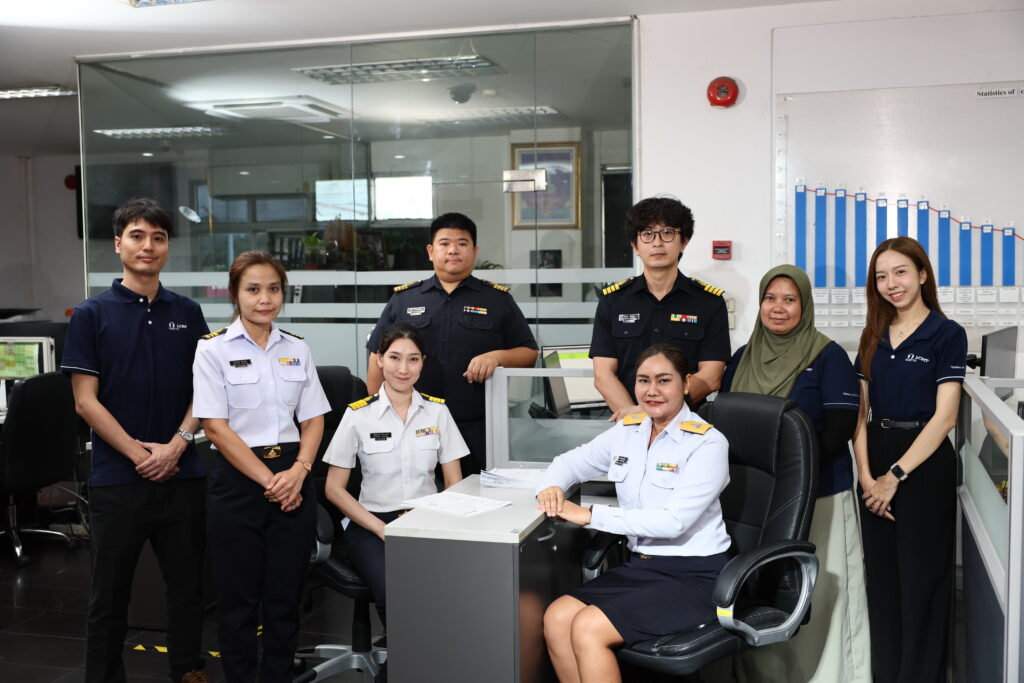
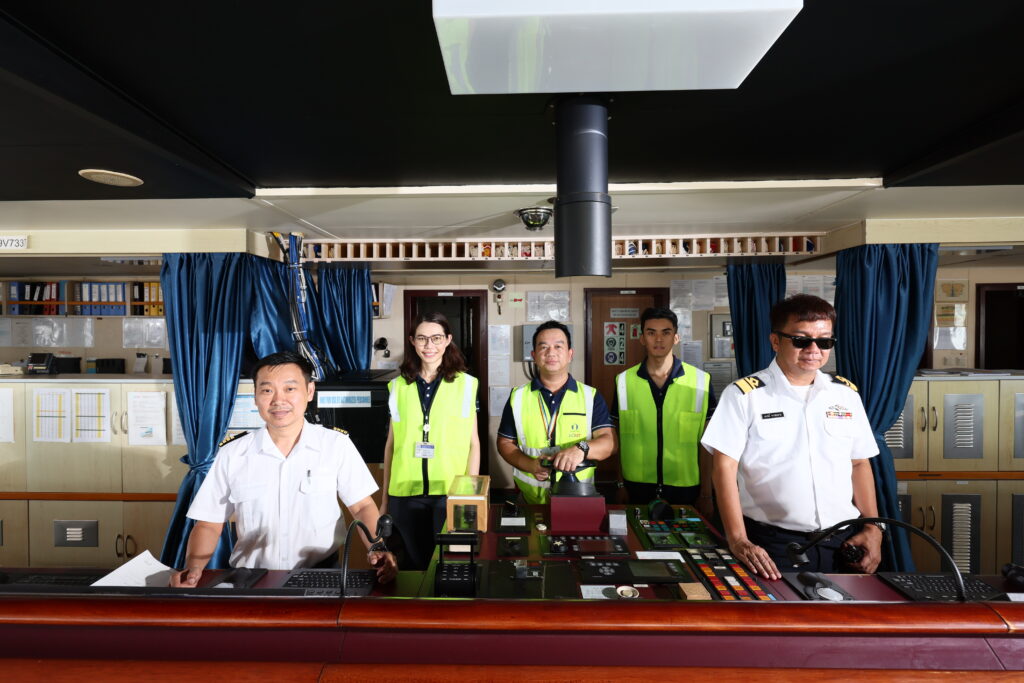
Over the years, LCB1 Group has also built strong working relationships not only with the Port Authority of Thailand (PAT), but also with the Customs Department and the Pilot Bureau of the Marine Department. These partnerships are essential to ensuring smooth vessel operations, regulatory compliance, and efficient cargo handling. Joint initiatives and shared problem-solving with these agencies have helped LCB1 Group maintain high standards of reliability and service.
“We work closely with Customs and the Pilot Bureau to ensure that every part of the logistics chain functions seamlessly,” said Mr. Spange. “It’s not just about terminal operations — it’s about collaboration across the entire port ecosystem.”
Global Strength, Local Roots
One of LCB1 Group’s clear strengths is its ability to combine international experience with Thai execution. With shareholders PSA and APM Terminals, the company has access to a global pool of knowledge and expertise that can be drawn upon when required. This gives LCB1 Group the ability to benchmark its performance against some of the busiest and most advanced terminals worldwide. “We have a global pool of colleagues there to help us if we have a problem or a question,” explained Mr. Spange. “If something new comes up in Thailand, chances are it happened somewhere else.”
At the same time, the company remains deeply rooted in Thailand. Aside from two expatriate staff, the workforce is entirely Thai, and it is this team that consistently delivers top-quartile performance within the global portfolio. “We benchmark reliability and productivity across global terminals, and this terminal sits in the top quartile,” said Mr. Spange. “It is delivered by Thai talent, and we are proud of that.”
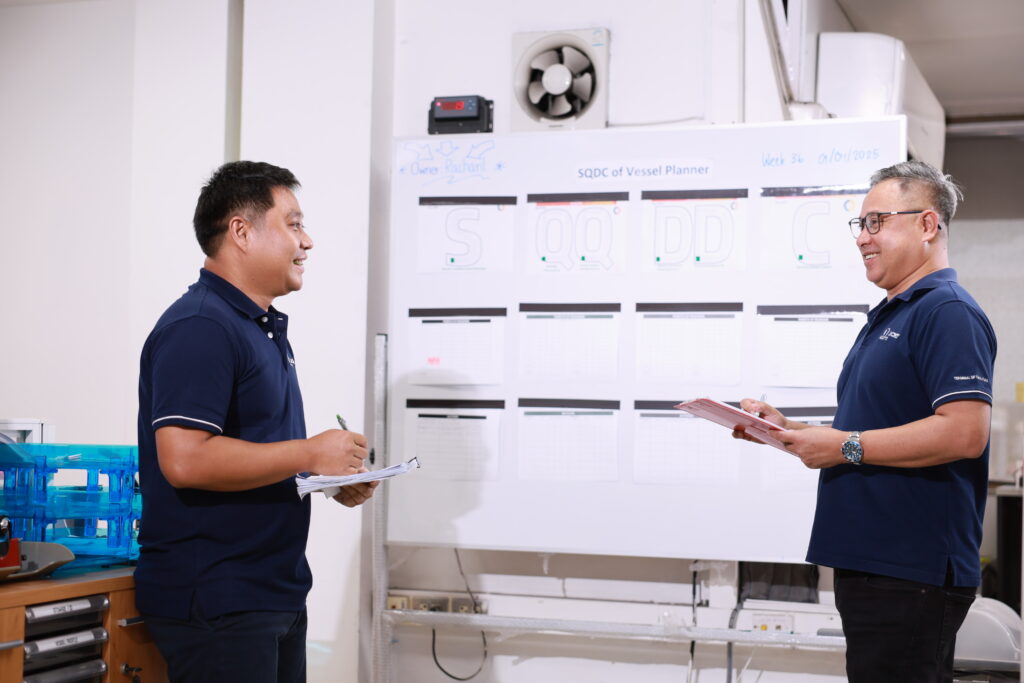
This stability in the workforce and customer base allows LCB1 Group to keep investing in training and upskilling. Staff turnover is low, and long service is common, creating a pool of knowledge and operational consistency that benefits both customers and the wider logistics chain.
Customer-Centric Solutions
LCB1 Group serves two distinct customer groups, each with its own needs. For main line operators (MLOs) calling at Laem Chabang, reliability, productivity, and digital readiness are the most important factors. For regional intra-Asia carriers, flexibility is the top priority. LCB1 Group’s ability to manage multiple berths gives these customers the confidence of berth-on-arrival, which is a significant competitive advantage.
“We basically have two very distinct customer profiles and two very distinct value propositions for them,” said Mr. Spange. “For MLOs, it’s efficiency and consistency, while for the intra-Asian carriers, it’s adaptability, and multiple berths create that flexibility.”
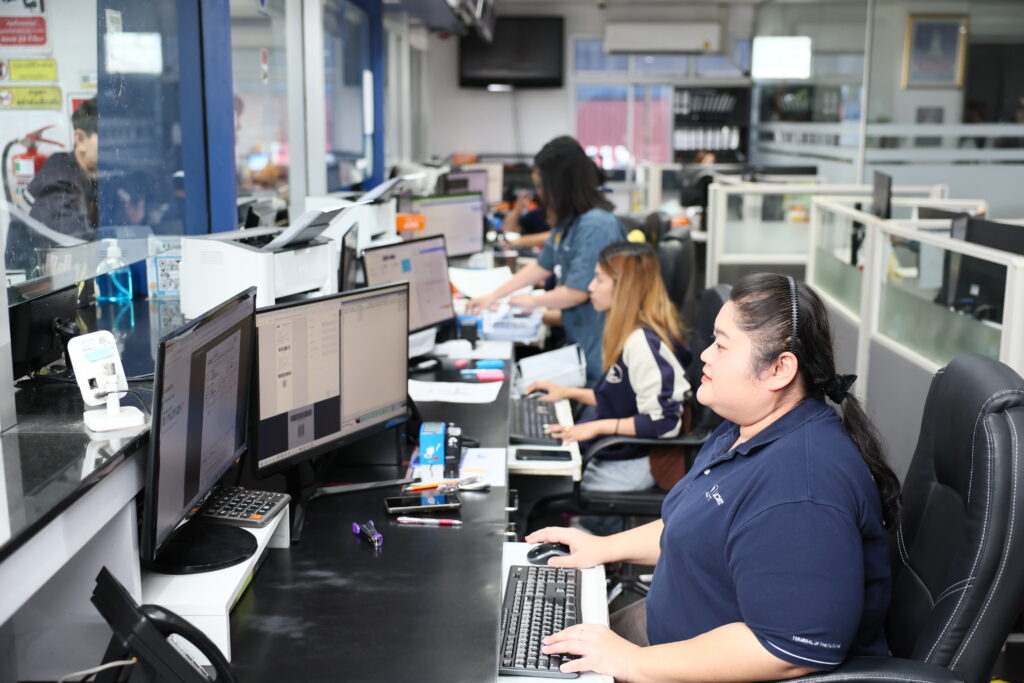
The company also looks for ways to provide support beyond standard quay operations. A telling example came when a major manufacturer received the wrong parts, threatening its production schedule. Instead of deflecting the problem, LCB1 Group worked with the customer to hold and redirect the cargo, ensuring the factory could get back on track. “We don’t want to be part of the waste in our customers’ products,” said Mr. Spange. “If you can help them get back on schedule, that’s real value.”
LCB1 Group has also taken a proactive role in developing landside solutions. Its fast-lane concept for truckers, introduced even before PAT’s own system, allowed drivers who booked appointments and met their windows to move through the terminal more quickly. For exporters and haulers, those saved minutes translate directly into efficiency and reduced cost.
Sustainability and Technology
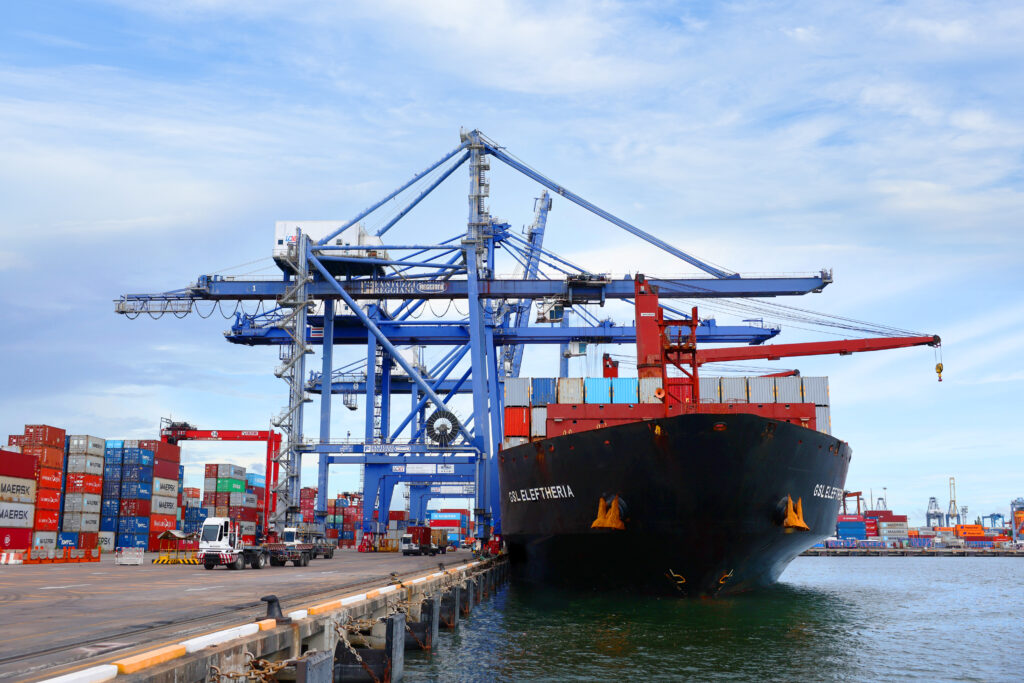
LCB1 Group has placed a strong focus on green investments, most notably with the introduction of hybrid rubber-tired gantry cranes that cut carbon dioxide emissions by around 70 per cent per unit. The initiative was recognized at a high level, with senior government figures visiting the terminal to mark the achievement. “We have put a lot of money into green technology,” said Mr. Spange. “The shareholders are pushing us to come up with reductions.”
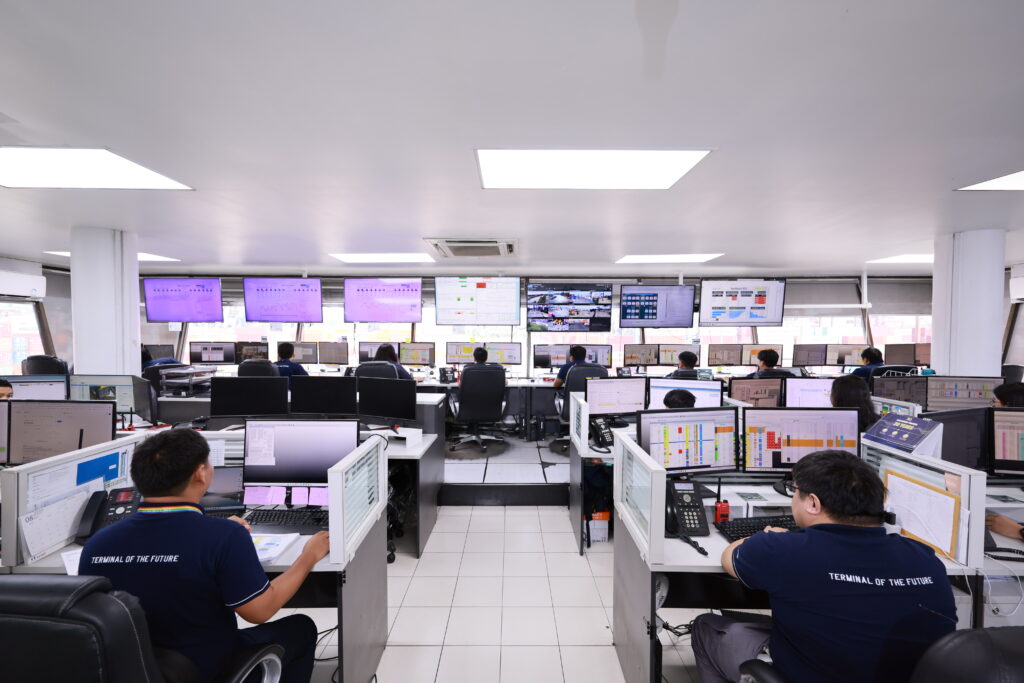
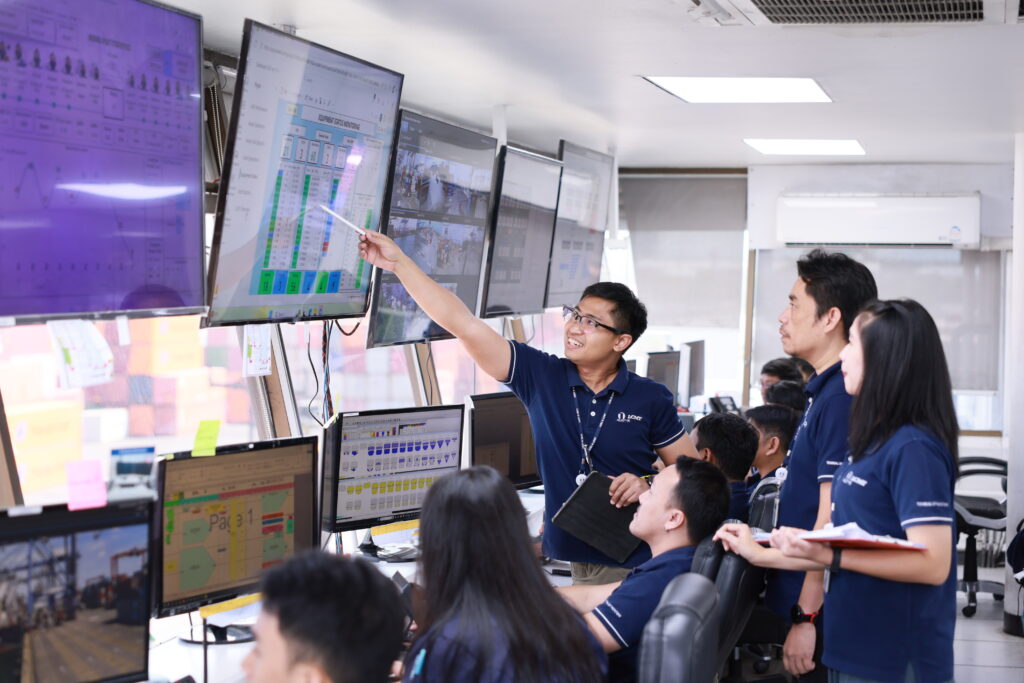
On the technology side, the company has deliberately prioritized digitization rather than automation. This distinction matters, as digitization improves efficiency without replacing jobs, while automation often leads to workforce reductions. LCB1 Group has invested in systems such as electronic documentation and truck appointment platforms, which reduce delays and improve transparency. “Digitization is a different animal,” Mr. Spange explained. “If you make it much more efficient for customers, they don’t have to send a driver down to get a document stamped. That is where we invest.”
People at the Heart
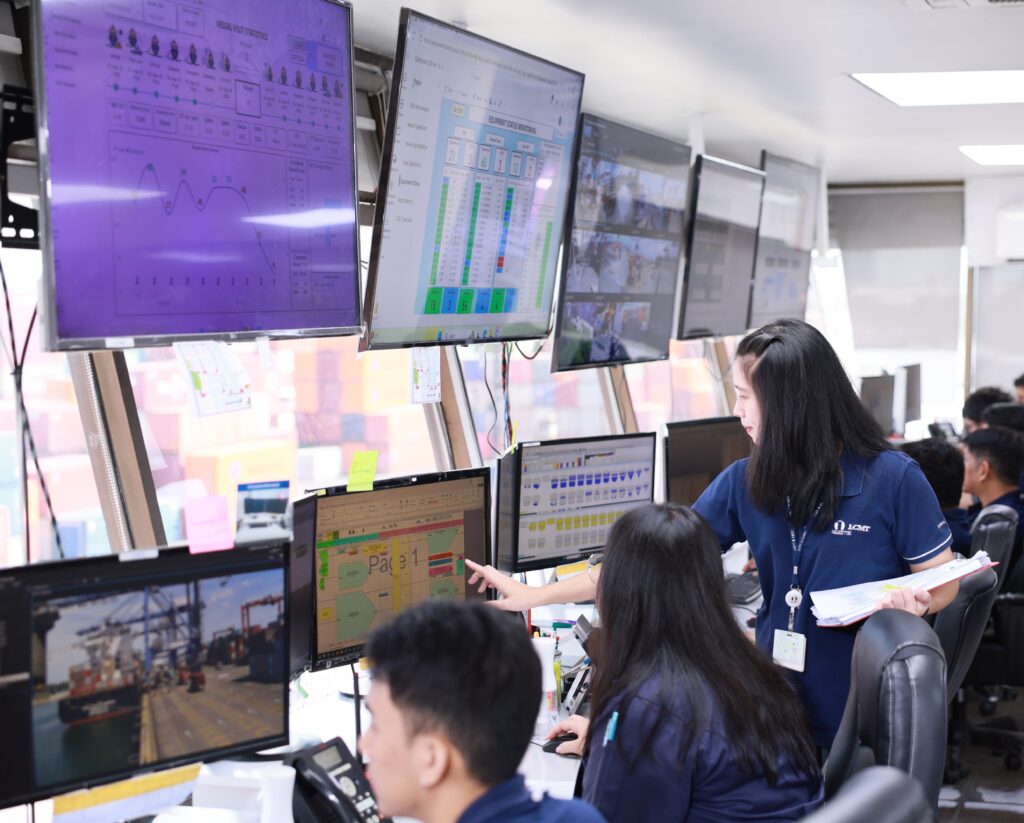
Much of LCB1 Group’s success can be traced back to the loyalty and capability of its workforce. Staff retention is unusually high, with many employees having spent decades at the terminal. Mr. Spange recalled signing more than 100 anniversary letters last year alone, including several for staff who had been with the company for 25 years. “It’s expensive to hire and train people and then see them leave,” he said. “Stability means we can invest more in our people, and they stay.”
Training is built around lean methodology, ensuring that improvements are not one-off projects but embedded into daily routines. The result is a consistent level of service quality that global shipping lines can rely upon. For customers, this translates into predictable performance, reduced delays and greater confidence in scheduling.
Community and Responsibility
LCB1 Group positions itself firmly as a Thai company, and its sense of responsibility extends into the local community. Corporate social responsibility efforts are focused on education, environment and health, and these activities are often carried out in partnership with PAT. This approach reinforces the idea that the terminal and authority act together to benefit the community. “When we go to a school or make a donation, we go together with PAT,” said Mr. Spange. “We’re seen as part of a solution together with the authorities.”
Recruitment also reflects this local-first approach. The company prioritizes hiring from communities around Laem Chabang, offering stable careers and development opportunities. With some employees now raising children who may join the company in the future, LCB1 Group is starting to see signs of second-generation continuity.
Looking Ahead
As it looks to the future, LCB1 Group is clear on its direction. The company will continue to strengthen its partnership with PAT, invest in green and digital technology, and support customers as they adapt to new shipping requirements. The focus will remain on developing Thai talent and maintaining the stability that has defined its first thirty years.
“Set the tone, set the direction, set the team,” is how Mr. Spange described his management philosophy. Actions, he said, speak louder than words, and LCB1 Group intends to show through its operations that it can remain a trusted partner for decades to come.
อัพเดตข่าวสารและบทความที่น่าสนใจในอุตสาหกรรมโลจิสติกส์ก่อนใคร ผ่าน Line Official Account @Logistics Mananger เพียงเพิ่มเราเป็นเพื่อน @Logistics Manager หรือคลิกที่นี่