


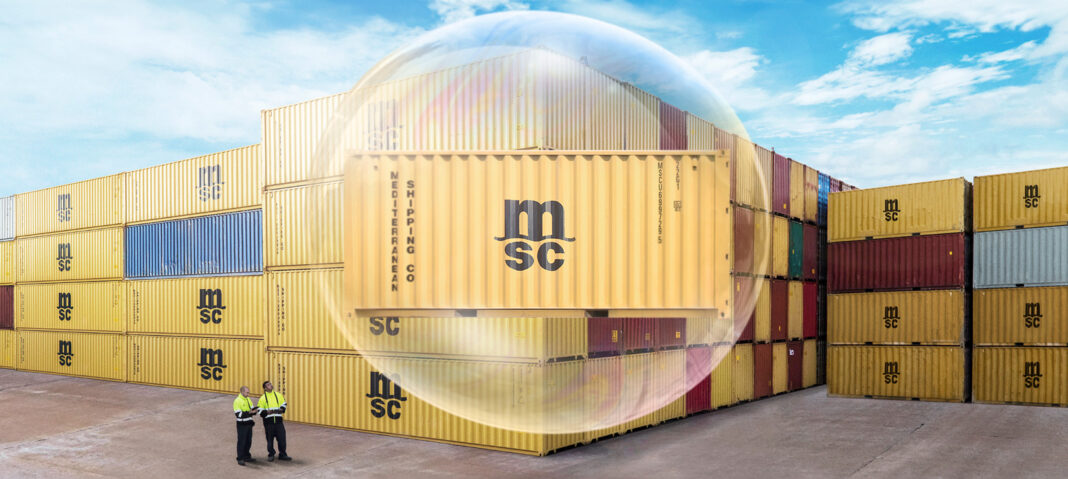
International trade can change in an instant. Weather events, port incidents, and unforeseen operational disruptions can affect cargo at any stage during ocean and inland transportation. MSC’s Extended Protection (EPR) helps shippers reduce financial exposure in case of cargo loss or damage and keep the cargo value recovery straightforward when the unexpected happens with a swift and easy claim process.
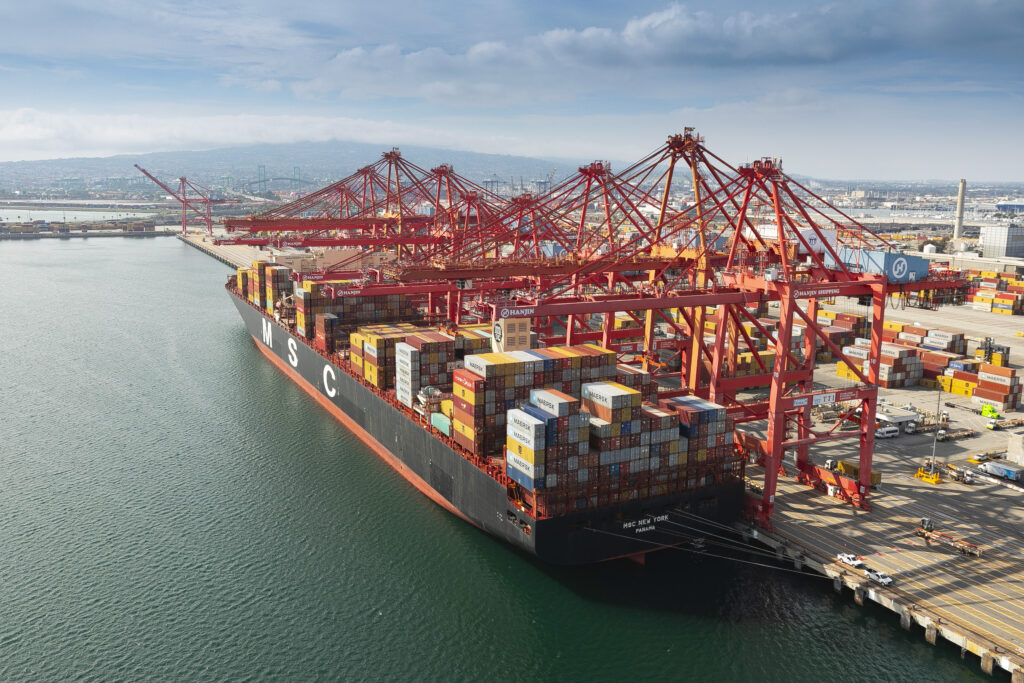
As the world’s largest container carrier, MSC has built a strong and consistent presence in Thailand with frequent rotations through Laem Chabang and a commercial base in Bangkok. Backed by MSC’s global network and a dedicated Thai team, customers receive local, hands-on support designed to help their business grow. This includes exporters across various industries who want to look for greater reliability and protection on every journey.

The MSC Extended Protection (EPR) solution was developed in response to customer demand for a simpler, faster, and more transparent approach to protecting cargo against financial losses. While the risks of global logistics haven’t changed, the way customers recover from incidents has. EPR was built to eliminate the administrative burdens often seen in traditional marine cargo insurance
“Presenting EPR as a value-added solution was about listening to our customers,” Mr. Gaspard Vandamme, Managing Director of MSC Thailand said. “They told us they wanted clarity, flexibility, ease, and faster resolution times, so at MSC, we built EPR to address those pain points directly.”
Our customers told us they wanted clarity, flexibility, ease, and faster resolution times, so at MSC, we built EPR to address those pain points directly.
Mr. Gaspard Vandamme, Managing Director of MSC Thailand
What Sets EPR Apart
MSC’s Extended Protection solution is not just another product on the shelf; it’s a direct response to the challenges customers face with conventional cargo insurance. One of its most practical strengths is its integrated one-stop-shop approach and flexibility, providing an extra level of protection for the cargo’s partial or full value.
Transparency is also central to EPR. Thai exporters often face pricing structures filled with hidden costs, but EPR offers upfront rates (depending on the cargo’s value) with no surprises. Quotations are available via the usual booking channels or through myMSC webpage, where EPR appears as an option offered at the booking stage or alongside shipping instructions. That level of digital integration keeps paperwork minimal and makes enhanced protection just a click away.
From quotation to claims resolution, customers deal directly with MSC via the fast-track procedure, avoiding the common delays caused by third-party intermediaries. Claims are handled by a dedicated team to ensure a smooth, swift resolution within 30 working days once all requested information is received. This streamlined experience adds real value for businesses operating on tight shipping schedules.
EPR benefits from MSC’s global reach paired with local insight. The service runs across the company’s international network but is anchored by experienced teams in-market, meaning Thai shippers are supported by local staff who understand regional expectations, regulations, and industry practices.
Cargo Protection That Goes the Extra Mile
Most marine insurance policies cover standard risks like stranding, fire, or sinking. EPR goes beyond that baseline. While its core protection matches ICC (A) standards, the real difference lies in several thoughtful additions.
For example, if cargo is damaged during a customs inspection, EPR provides reimbursement. If fumigation affects the shipment or debris must be removed after an incident, customers will be refunded through EPR for their loss or costs incurred. For urgent cases, airfreight costs may be claimed for machinery spare parts replacements to be sent to the destination.
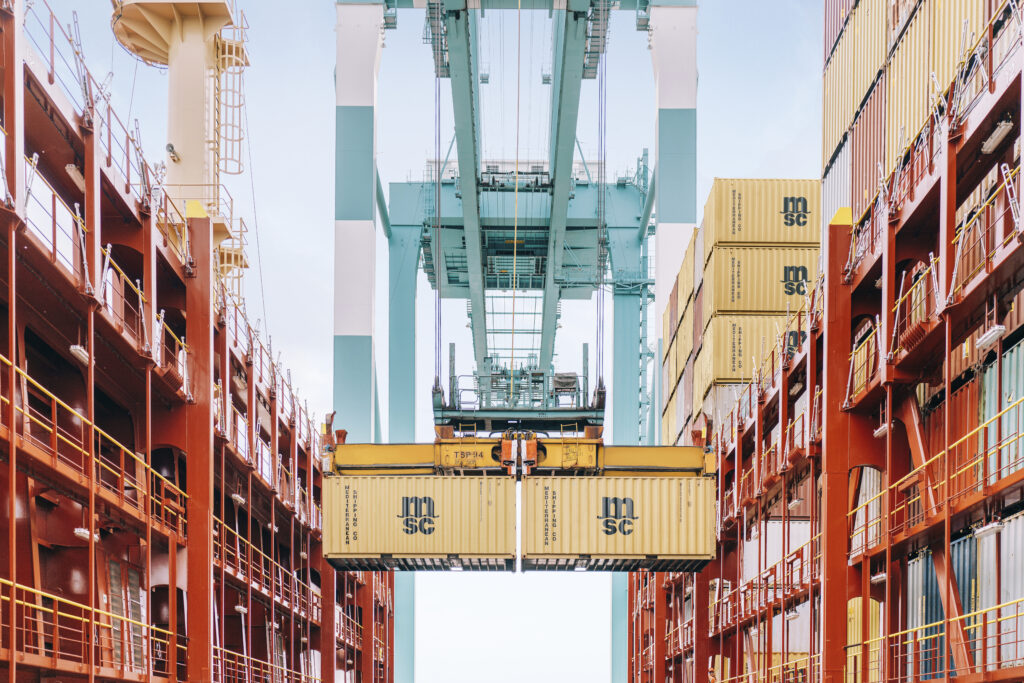
Importantly, EPR is designed to suit a broad range of cargo types. Shippers can protect standard dry containers, refrigerated cargo (excluding fresh fruit or pharma shipped under controlled temperature in refrigerated containers), Shipper-Owned Containers (SOC), or even breakbulk and project cargo. Thai exporters working across diverse product categories, from rice and rubber to machinery and electronics, can align the protection they see fit to their shipments rather than adjusting their process to fit a rigid policy.
Thailand’s cold chain exports, in particular, benefit from EPR’s reefer protection. One clause, for instance, addresses temperature variation due to compressor failure, breakdown, or stoppage, provided the event lasts for 24 consecutive hours or more. This level of detail is essential when shipping items such as frozen seafood or temperature-sensitive goods to long-haul destinations.
End-to-End Confidence
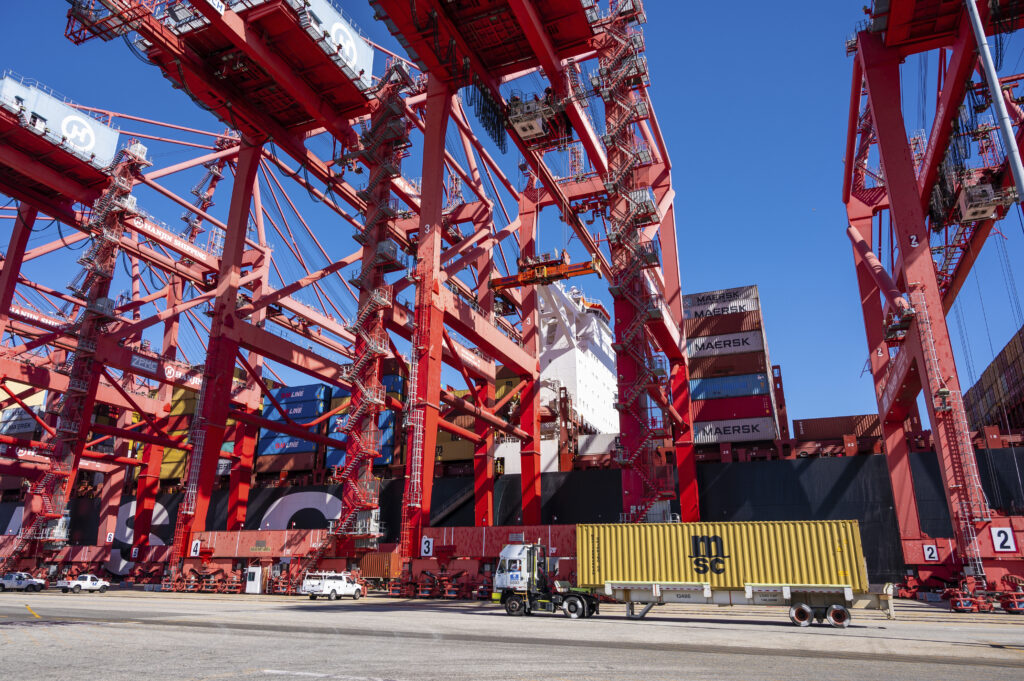
Unlike many traditional marine cargo insurance policies, EPR offers a broader geographic scope for eligible shipments, including inland legs handled not only by MSC or MEDLOG but also by approved subcontractors. Importantly, inland coverage can apply even when it’s under a separate contract, as long as the ocean leg is booked through MSC. Specific routes and destinations remain subject to eligibility and applicable terms.
This helps manufacturers in provinces like Chiang Mai or Nakhon Ratchasima move cargo by truck, rail, or barge under a single umbrella, without needing to coordinate multiple providers.
Security is also a core part of the solution. For high-value goods, such as electronics, automotive parts, or processed foods, EPR provides a valuable buffer against theft and handling damage, two risks that remain prevalent in long-distance supply chains.
When customs procedures become bottlenecks, MSC’s in-house clearance team is ready to assist. They understand the local protocols and can help solve issues before they affect the broader supply chain.
Partial Cargo Value Protection with EPR
Not every shipment requires full-value protection. With EPR, MSC allows customers to choose how much of their cargo value to protect. They can opt for partial or full value protection, up to 110% of the CIF value. The scope of protection remains unchanged. Only the maximum payout is determined by the declared protection amount.
For example, if the cargo is valued at USD 50,000 and protection is selected for USD 30,000, MSC will refund up to USD 30,000 in the event of total loss. This declared value represents the maximum compensation MSC can provide for claims that fall within the scope of EPR.
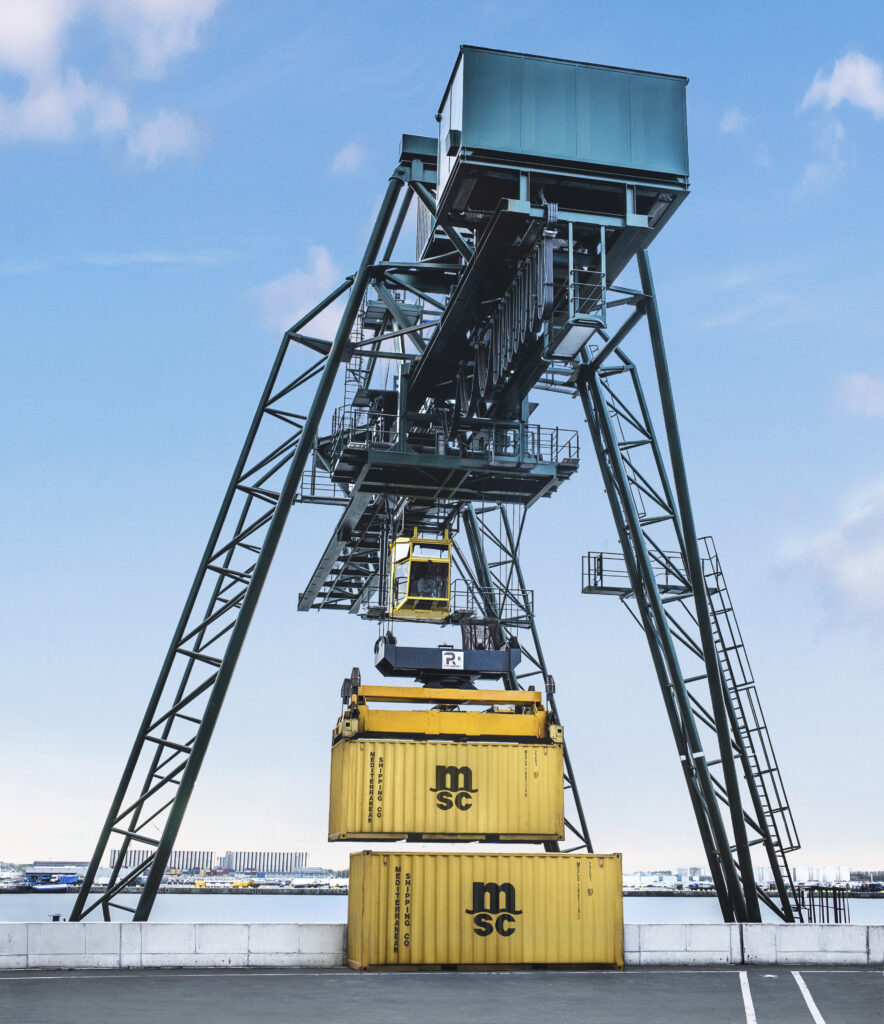
When Partial Protection Makes Sense
Partial protection can be a smart option in several scenarios:
- To offset deductibles or exclusions in a traditional marine cargo insurance policy, including war risk.
- To control costs while still maintaining a level of protection.
- To simplify claims by dealing directly with MSC, avoiding impact on the primary insurance record.
Seamless Protection and Confidence
All of this comes together on myMSC, where shippers can add EPR with just a few clicks during booking or at the shipping instruction stage. Fully embedded into the digital process, EPR eliminates coverage gaps from the outset and ensures cargo is protected as part of every shipment rather than as an afterthought.
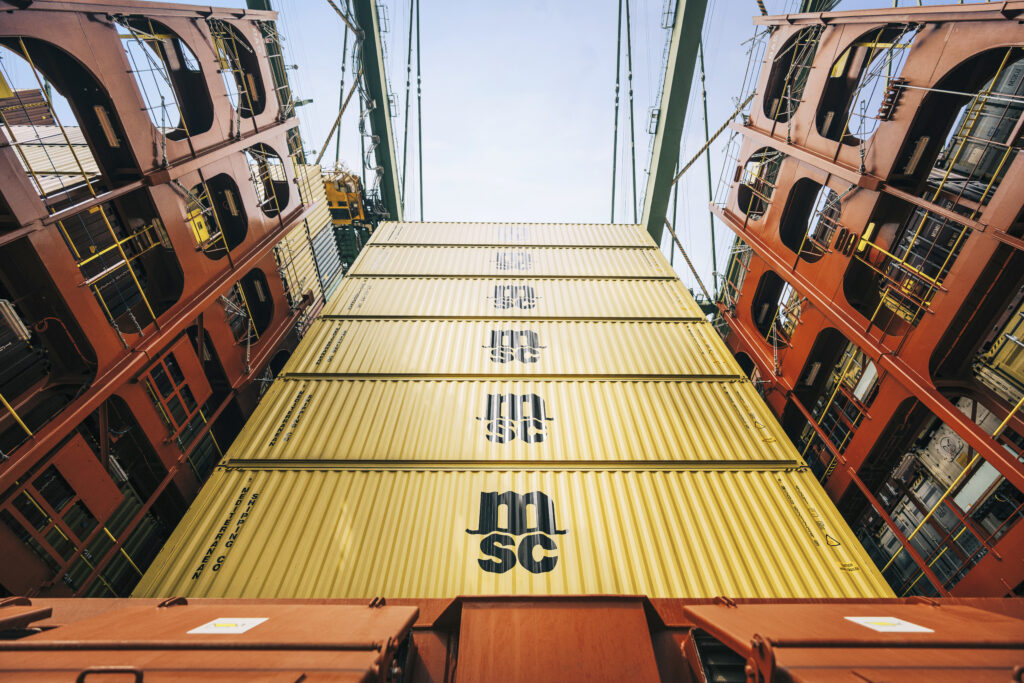
As global trade continues to face uncertainty, MSC’s EPR solution empowers Thai shippers to move forward with confidence. It makes professional-grade protection easier to access, faster to activate, and seamlessly suited to the realities of Thai trade.
MSC Thailand’s local team is available to support customers with complex shipments or eligibility questions at [email protected].
อัพเดตข่าวสารและบทความที่น่าสนใจในอุตสาหกรรมโลจิสติกส์ก่อนใคร ผ่าน Line Official Account @Logistics Mananger เพียงเพิ่มเราเป็นเพื่อน @Logistics Manager หรือคลิกที่นี่