



From climate change to the growing reality of global boiling, the urgency of environmental challenges is now undeniable. Nations worldwide have committed to net-zero emissions by 2050, prompting businesses to accelerate their own emission-reduction strategies. Logistics players are embracing digitalization, advanced technologies, leaner operations, cross-sector collaboration, and, most critically, a transition towards low-carbon and renewable energy.
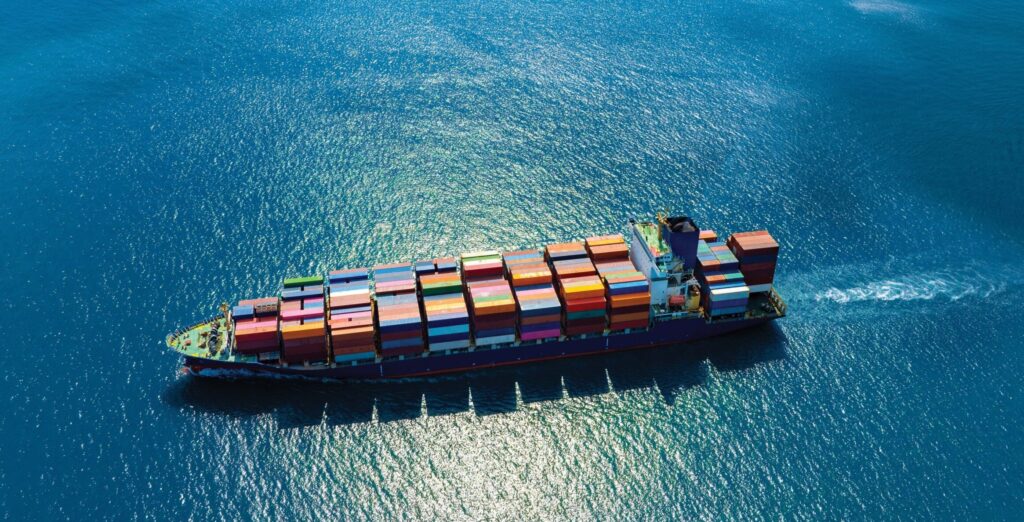
Over the past decade, the adoption of clean energy has gained momentum as industries seek alternatives to fossil fuels, which remain a leading source of pollution and climate damage. Transportation and logistics, among the most energy-intensive sectors, are at the forefront of this transition, testing and deploying sustainable solutions ranging from biofuels to electrification.
At the same time, regulators are driving change. The International Maritime Organization’s (IMO) Energy Efficiency Existing Ship Index (EEXI) and Carbon Intensity Indicator (CII) are tightening efficiency requirements, while Emission Control Areas (ECAs) are forcing operators to cut sulfur and pollutant output in coastal waters. Collectively, these measures are accelerating investment in cleaner power sources across the supply chain.
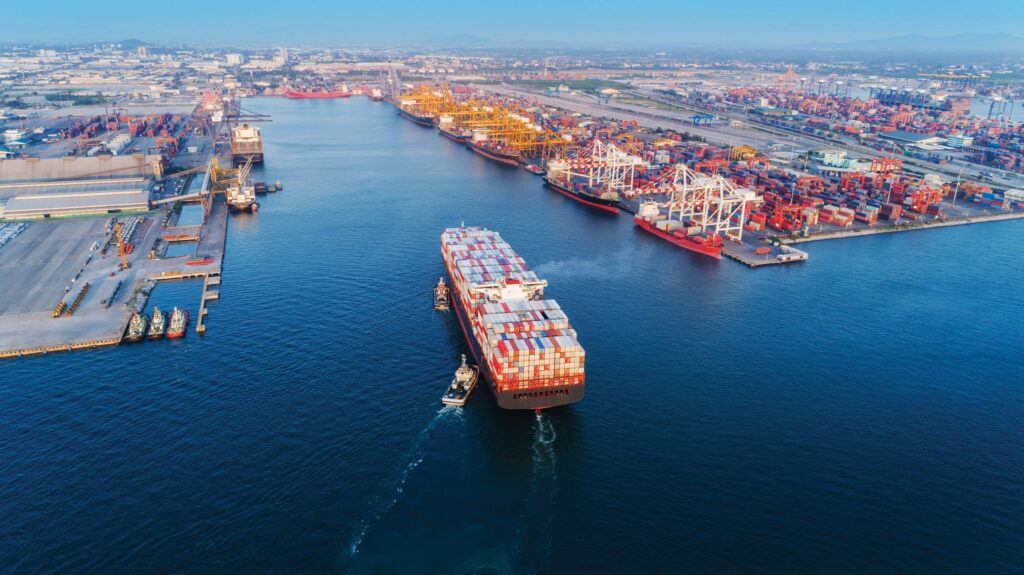
Nature’s Waste, Logistics’ Power
Bioenergy has emerged as one of the most promising renewable alternatives. Unlike coal or crude oil, biofuels can be produced from plant residues, wood, animal waste, oils, and biogas, offering both environmental benefits and economic viability.
Methanol

Methanol is easy to transport and works within existing infrastructure. As a waste-based fuel, it produces no nitrogen oxides or sulfur, making it an attractive option. To offset its fast burn rate, many ships now use dual-fuel engines, blending methanol with other fuels to reduce emissions while maintaining performance.
Biodiesel
Derived from used cooking oil, biodiesel is biodegradable and produces lower particulate matter and sulfur emissions than petroleum diesel. However, it can accelerate engine corrosion and clogging, meaning modifications may be needed for consistent use.
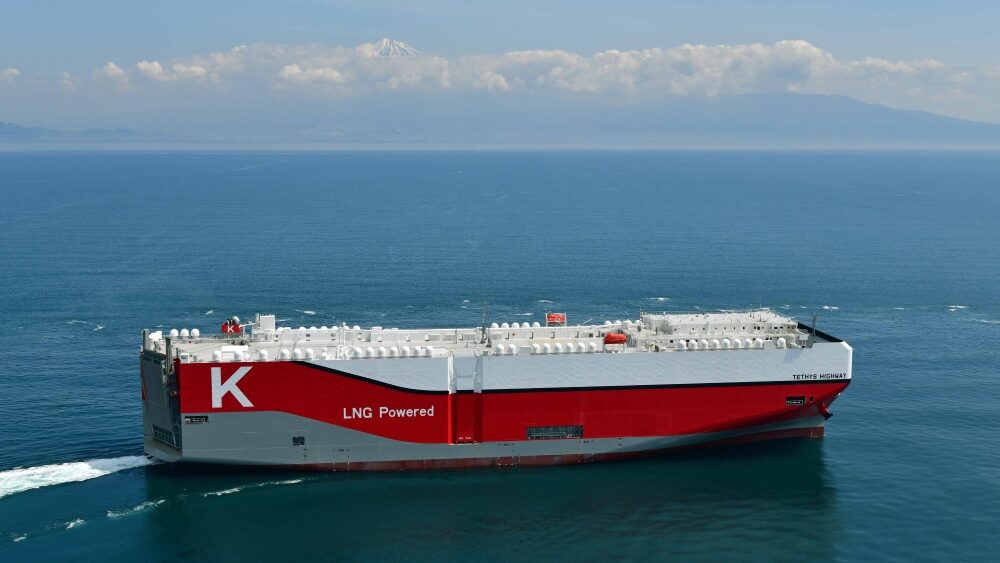
Liquefied Natural Gas (LNG)
LNG has gained traction in shipping as a cleaner, safer fuel. Free from corrosive substances and produced through natural gas purification, LNG has led to the design of specialised LNG-fuelled vessels to reduce environmental impact.
Hydrogen
Hydrogen combustion produces only water vapour, making it a zero-emissions fuel. While promising, its adoption faces challenges in storage and transport, requiring costly pressurised or cryogenic tanks. Still, interest is growing as technology advances.
Ammonia
Ammonia, made from hydrogen and nitrogen, offers near-zero carbon emissions and compatibility with existing systems. However, its toxicity and nitrogen oxide by-products demand strict handling protocols. Industry investment is focusing on making ammonia both safe and scalable.
While bioenergy carries high initial costs, long-term infrastructure development could make these fuels vital in decarbonising transport and logistics.
Electric Fleets Hit the Routes

Electric power is already central to modern life and is now reshaping logistics operations. Companies are rolling out electric trucks, trailers, cranes, and forklifts to cut emissions and improve efficiency.
For now, fully electric fleets are best suited to short- and medium-haul operations. To bridge the gap, hybrid systems that combine electricity with traditional fuels are gaining traction, particularly in long-haul transport. Investment is also flowing into charging and energy infrastructure, while renewable sources such as solar and wind are being integrated to power these green fleets.
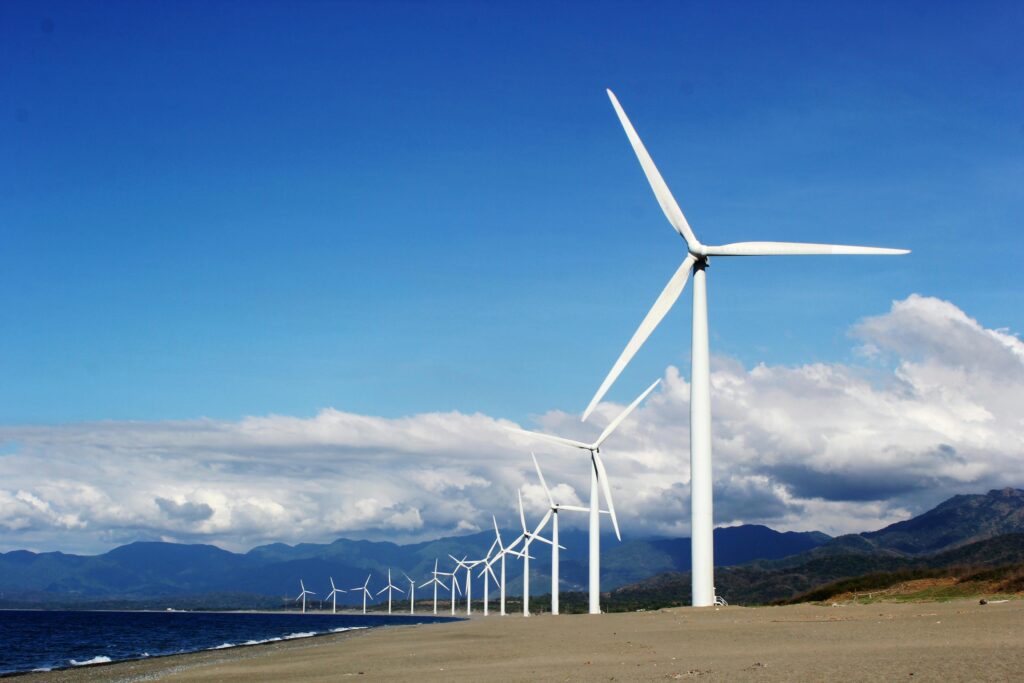

From Solar Arrays to Wind-Powered Operations
Solar energy is being embedded across logistics assets, from trucks and vessels to distribution centres. Despite high upfront costs, solar delivers long-term returns and sustainability benefits. Modern solar arrays feature AI-driven performance monitoring, customised designs, lithium storage batteries, and hybrid integration with wind energy.
Wind power, meanwhile, is generating attention for its ability to produce electricity in consistently windy regions. Logistics operators are trialling wind-driven systems in warehouses, equipment, and vessels to enhance operational resilience and reduce fossil fuel reliance.
Together, solar and wind are steadily weaving renewable power into the backbone of supply chains worldwide.
Driving Innovation and Efficiency Towards a Net-Zero Future By 2050
By 2025, years of innovation are converging into practical renewable solutions for logistics. The sector is investing heavily in these technologies with the expectation that they will soon become standard practice in meeting global sustainability targets.
Looking ahead, infrastructure expansion, AI-driven optimization, and cross-industry collaboration will be critical in scaling renewable adoption. Logistics has a defining role to play in achieving net-zero emissions by 2050, transforming supply chains into drivers of environmental progress.

อัพเดตข่าวสารและบทความที่น่าสนใจในอุตสาหกรรมโลจิสติกส์ก่อนใคร ผ่าน Line Official Account @Logistics Mananger เพียงเพิ่มเราเป็นเพื่อน @Logistics Manager หรือคลิกที่นี่