






In the premium beverage industry, shipments carry more than cargo. They carry the quality and craftsmanship that producers have carefully developed. Many alcoholic beverages are sensitive to environmental conditions, making temperature control a critical consideration in cross-border logistics. Exposure to unsuitable temperatures can compromise product quality, lead to financial losses and damage a brand’s reputation.
From a logistics perspective, alcoholic beverages present a complex combination of handling requirements. Alongside their sensitivity to environmental conditions, they are subject to legal, customs and excise requirements that vary between markets. Preserving product quality and protecting commercial value therefore require expertise in product characteristics, temperature control technology and international regulations.
Understanding the Core Challenges
The challenges of alcoholic beverage logistics begin with understanding each product’s characteristics and packaging, as handling requirements can vary considerably.
Wine, for example, is sensitive to temperature changes and excessive vibration. Prolonged exposure to heat can alter its flavor and delicate aromas, while temperature fluctuations may affect the integrity of the cork and seal, increasing the risk of oxidation.

Beer is carbonated, and exposure to high temperatures can increase pressure within its packaging, potentially causing swelling or leakage. Draft beer transported in kegs may require an effective cold chain throughout its journey to limit microbiological spoilage and preserve flavor.
High-strength spirits may also fall within Class 3 dangerous goods requirements, depending on their composition and the applicable transport regulations. Logistics providers must therefore understand the relevant handling rules, excise documentation and customs declarations.
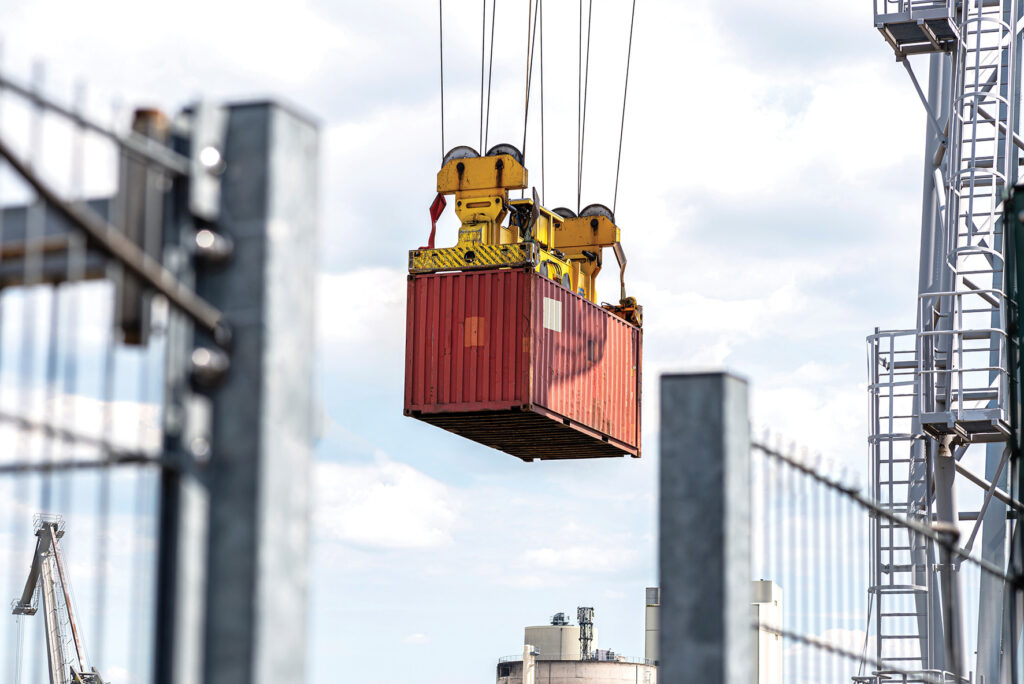
These risks extend beyond those associated with standard cargo, making the choice of equipment and transport mode essential to preserving quality, controlling costs and ensuring safety. Available options include refrigerated containers, ISO tanks, flexitanks and dry containers fitted with thermal insulation.
Going Beyond Borders
For many international alcoholic beverage shipments, sea freight offers a cost-effective option. Freight forwarders typically select container solutions according to the product, shipment volume, route and producer’s requirements.
Refrigerated containers, commonly known as reefers, are suitable for premium wines and draft beer that require closely controlled temperatures. Although reefer shipping can cost 30–50 percent more than standard dry container shipping, the additional expense may be justified by the protection it provides for high-value cargo.

Dry containers fitted with thermal insulation blankets offer an alternative for products that do not require active refrigeration. Insulation can help reduce the impact of temperature fluctuations and heat exposure, including solar heat accumulation on ship decks. Its suitability depends on the product’s tolerance, transit time and expected conditions along the route.
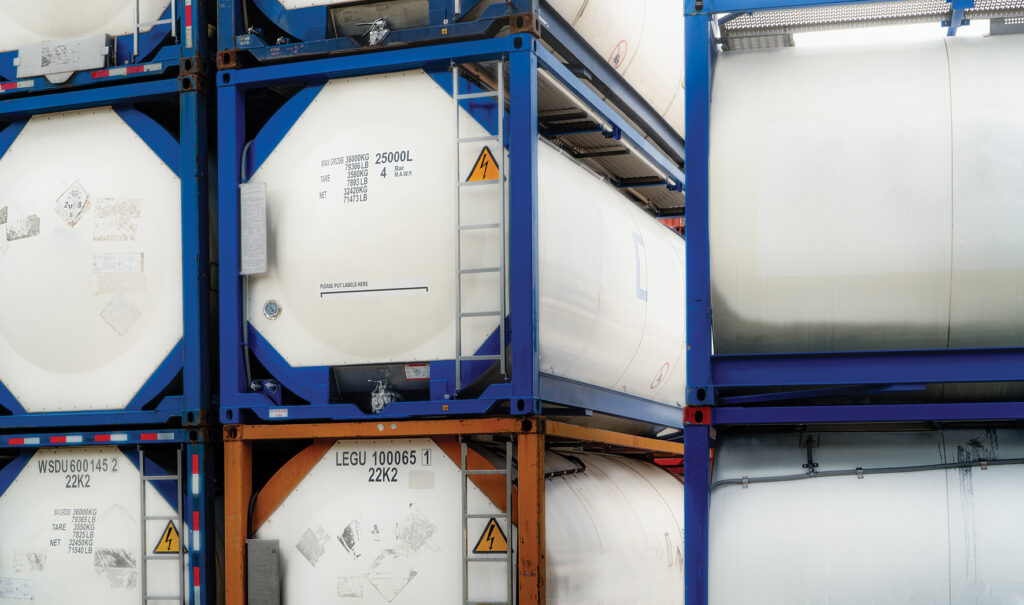
ISO tanks and flexitanks are used for bulk shipments, including beverages or beverage bases transported for bottling at the destination. Appropriately specified ISO tanks can accommodate high-strength or hazardous alcohol shipments, while flexitanks installed inside dry containers provide an option for suitable non-hazardous liquids. Equipment selection must reflect the cargo’s characteristics and the applicable transport requirements.
First-Mile and Last-Mile Delivery
Alongside international sea freight, first-mile and last-mile road transport present significant risks of physical damage.

Uneven roads expose cargo to vibration and sudden movement, potentially affecting packaging and increasing the risk of breakage or leakage. In still wines, excessive agitation can disturb sediment and affect the product’s presentation.
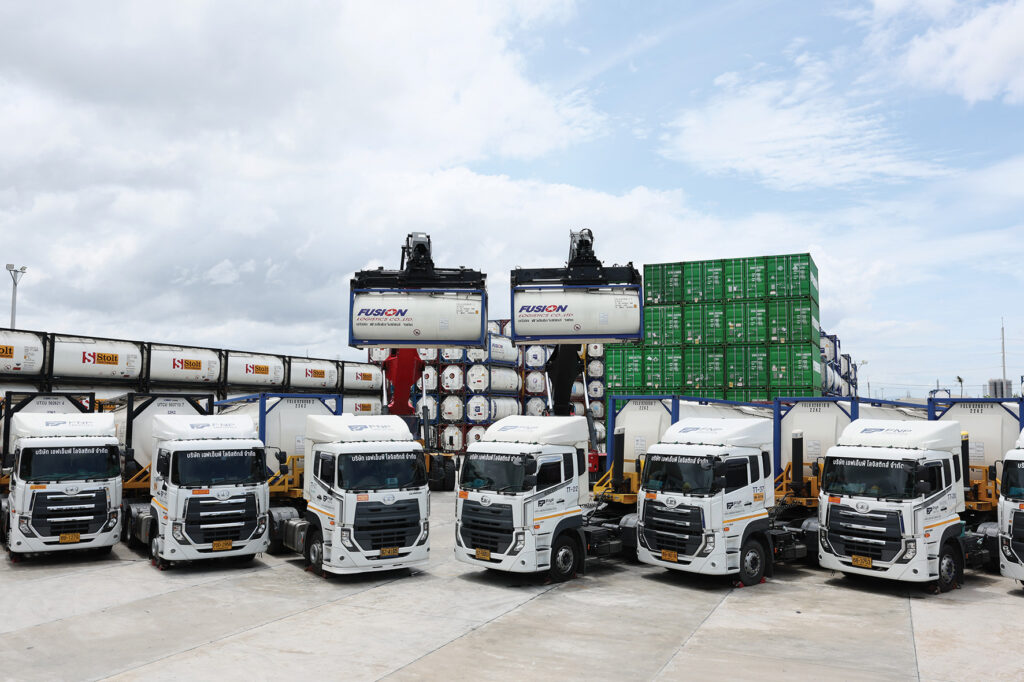
Logistics providers should therefore ensure that vehicles are suitable for the cargo. Air suspension systems can help reduce road shock, while pallets must be securely positioned and wrapped to prevent shifting or tipping during transit. Depending on the product’s temperature requirements, vehicles may also need insulated bodies or active refrigeration.
Careful coordination at loading and unloading points is equally important. Unnecessary delays or prolonged exposure to ambient temperatures can undermine the protection provided during the main journey.
Smart Technology in Action
Alongside safe handling and efficient transport, effective monitoring helps logistics providers manage costs and maintain consistent conditions throughout the cold chain.
Real-time tracking and monitoring can improve temperature control and cargo visibility, helping operational teams identify potential problems and reduce the risk of damage.
Connected sensors, data loggers and GPS tracking systems can provide information on shipment conditions and location. Depending on the equipment used, alerts may identify temperature deviations, unusual humidity levels or unauthorized door openings.
This visibility allows teams to assess problems promptly and take corrective action where possible. Monitoring records also support shipment reviews, helping providers identify recurring issues and improve future operations.
Beyond Moving Goods
Managing alcoholic beverage logistics involves protecting product quality and the trust associated with a brand. Each shipment delivered in good condition reflects careful equipment selection, appropriate transport arrangements and effective risk management.
Investing in consistent management procedures and working with experienced logistics partners can help producers protect that value. For businesses competing in the global beverage market, reliable logistics support customer confidence and long-term competitiveness.
อัพเดตข่าวสารและบทความที่น่าสนใจในอุตสาหกรรมโลจิสติกส์ก่อนใคร ผ่าน Line Official Account @Logistics Mananger เพียงเพิ่มเราเป็นเพื่อน @Logistics Manager หรือคลิกที่นี่