


Terminal operator APM Terminals Japan, a subsidiary of A.P. Moller – Maersk, has finalized a long-term offsite corporate Power Purchase Agreement (PPA) with renewable energy developer FPS Inc. The 20-year utility contract secures a direct supply of solar-generated electricity to power the company’s container terminal operations at the Port of Yokohama, systematically lowering Scope 2 greenhouse gas (GHG) emissions.
The physical electricity supply under this long-term framework officially commenced on 1 April 2026, marking a practical shift in the port’s industrial energy procurement strategy.
Displacing Grid Carbon Intensiveness via Dedicated Solar Fields
The contract is projected to deliver a verifiable reduction in Scope 2 emissions of approximately 2.6 kilotonnes of carbon dioxide equivalent (ktCO2e) annually. This is achieved by displacing fossil-fuel-reliant grid power with clean energy harvested from a network of newly constructed solar generation facilities located across the greater Tokyo region.
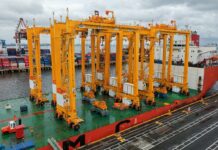
The solar installations feature a combined capacity of 5.5 MW, optimized to align production curves with the high-voltage electricity demands of heavy-duty port infrastructure, including ship-to-shore (STS) gantry cranes, automated straddle carriers, and extensive refrigerated container (reefer) plugging networks. Any baseline power requirements exceeding real-time solar generation will be supplemented through standard market-based electricity sources.
Mitigating Energy Volatility through Physical Offtake Mechanisms
Beyond verifying corporate carbon reduction claims, the long-term physical PPA functions as a financial hedge against regional energy market fluctuations. By locking in a fixed tariff for a 20-year duration, APM Terminals insulates its terminal handling costs from the fossil fuel price spikes and grid fee volatility currently impacting the Japanese utility market.
Maersk and APM Terminals prioritize physical offsite PPAs over virtual decoupling mechanisms or carbon offset certificates. This approach ensures “additionality”—meaning the contract directly funded the construction of new renewable assets that feed clean energy into the national grid, rather than simply drawing from existing green capacity.
Aligning Local Infrastructure with Global Net-Zero Mandates
Masahiko Shirai, Managing Director of APM Terminals Japan, stated that securing the PPA is a critical milestone toward operating the Port of Yokohama terminal on 100% renewable electricity. He noted that the local initiative directly supports the group’s global sustainability commitments while contributing to Japan’s broader energy transition by adding new solar capacity to the national grid.
The Japanese initiative directly advances Maersk’s global decarbonization roadmap, which mandates sourcing 100% renewable electricity across all global terminal assets by 2030, serving as a baseline to achieve net-zero greenhouse gas emissions across its entire ocean, air, and land supply chain network by 2040.
อัพเดตข่าวสารและบทความที่น่าสนใจในอุตสาหกรรมโลจิสติกส์ก่อนใคร ผ่าน Line Official Account @Logistics Mananger เพียงเพิ่มเราเป็นเพื่อน @Logistics Manager หรือคลิกที่นี่