


Strategic Hub in Almaty Strengthens “Middle Corridor” Logistics
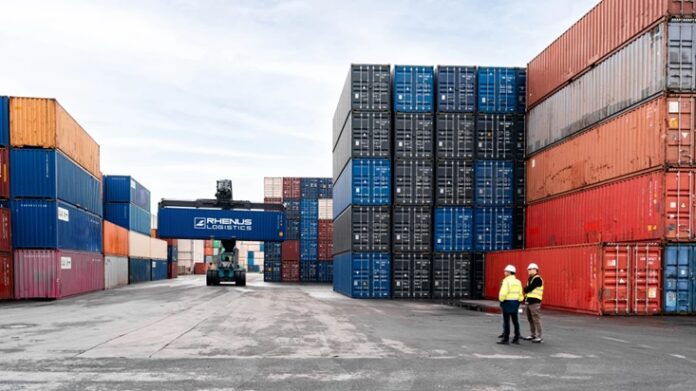
The Rhenus Group has reached a major milestone in its Central Asian expansion by acquiring its first wholly-owned, rail-connected terminal in Kazakhstan. Located at the Bayserke railway station near Almaty, the facility will operate under the name QAZContargo Almaty Ltd., serving as a critical intermodal node along the Trans-Caspian International Transport Route (TITR), also known as the Middle Corridor.
This acquisition marks Rhenus’s second specialized rail infrastructure in the region, following the launch of a joint terminal with Uzbek Railways in Andijon, Uzbekistan, in 2025.
Enhancing Multimodal Flexibility
The Almaty terminal is designed to address the increasing demand for regionalized supply chains and flexible routing between China, Europe, and Central Asia. Operations at the site are managed by the Contargo Group, a Rhenus partner with deep expertise in container logistics. The facility provides a comprehensive range of services:
- Container & Block Trains: Specialized handling for block train shipments and full container depot services.
- Bonded Infrastructure: Includes a bonded storage warehouse for import cargo and an open bonded yard for secure container handling.
- Bulk-to-Container Transfer: The site features specialized equipment to transfer bulk cargo directly from rail wagons into containers, streamlining multimodal transitions.
- Strategic Connectivity: Direct access to national and international rail lines helps bypass Eurasian bottlenecks and reduces dependency on single-gateways.
A Long-Term Commitment to Central Asia
Rhenus has maintained a presence in Kazakhstan since 1996, with existing offices in Almaty, Astana, and Karaganda. By integrating its own terminal infrastructure with established freight forwarding services, Rhenus can now offer more resilient, end-to-end logistics solutions.
Andreas Stöckli, Member of the Rhenus Group Management Board, noted that the investment is a direct response to the “Middle Corridor” becoming a stable alternative to traditional routes. He emphasized that the Almaty region—which handles roughly 60% of Kazakhstan’s total cargo flows—is the ideal location to support the next phase of supply chain transformation starting in 2026.
อัพเดตข่าวสารและบทความที่น่าสนใจในอุตสาหกรรมโลจิสติกส์ก่อนใคร ผ่าน Line Official Account @Logistics Mananger เพียงเพิ่มเราเป็นเพื่อน @Logistics Manager หรือคลิกที่นี่