
Joint Purchase of 8,990 Tonnes of UCOME to Abate 25,000 Tonnes of CO2e
DHL Global Forwarding and the CMA CGM Group have announced a significant expansion of their decarbonization partnership, agreeing to the joint use of 8,990 metric tons of second-generation biofuel. The initiative is expected to reduce approximately 25,000 metric tons of CO2e on a well-to-wake basis, marking a major milestone in the shift toward sustainable maritime logistics.
The agreement leverages UCOME (Used Cooking Oil Methyl Ester), a biofuel derived from waste and residue feedstocks that avoids competition with food crops. This partnership allows DHL to offer its customers a verified “fuel-switch” to reduce the carbon intensity of their global supply chains.
Integrating ACT+ and GoGreen Plus Solutions
The collaboration seamlessly connects the low-carbon product suites of both companies, providing a scalable solution for shippers worldwide:
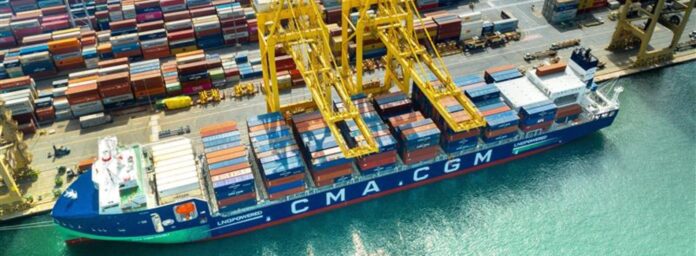
- CMA CGM’s ACT+: The carrier will physically bunker the biofuel across its global fleet, ensuring a tangible reduction in fossil fuel consumption.
- DHL’s GoGreen Plus: Utilizing a “Book & Claim” approach, DHL translates these physical fuel savings into certified emission reductions for its ocean freight customers.
- Verified Impact: Customers can achieve a reduction of up to 80% in greenhouse gas (GHG) emissions compared to conventional marine fuel, backed by audited third-party declarations.
Casper Ellerbaek, Head of Global Ocean Freight at DHL Global Forwarding, noted that the initiative empowers customers to reach their Scope 3 climate targets through real value chain decarbonization rather than traditional offsetting.
A Shared Commitment to Net-Zero 2050
Both DHL and CMA CGM have set ambitious targets to reach net-zero emissions by 2050. Olivier Nivoix, Executive Vice President Shipping at CMA CGM Group, highlighted that the carrier has already reduced its carbon intensity by 57% since 2008 through investments in dual-fuel vessels and energy optimization.
This latest agreement is part of a broader trend where freight forwarders and carriers aggregate demand to create a predictable market for alternative fuels. By monetizing the environmental attributes of biofuel through smart accounting tools, the partners are accelerating the commercial viability of next-generation maritime energy.
อัพเดตข่าวสารและบทความที่น่าสนใจในอุตสาหกรรมโลจิสติกส์ก่อนใคร ผ่าน Line Official Account @Logistics Mananger เพียงเพิ่มเราเป็นเพื่อน @Logistics Manager หรือคลิกที่นี่