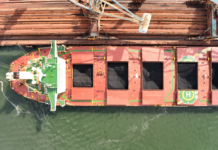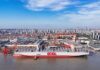

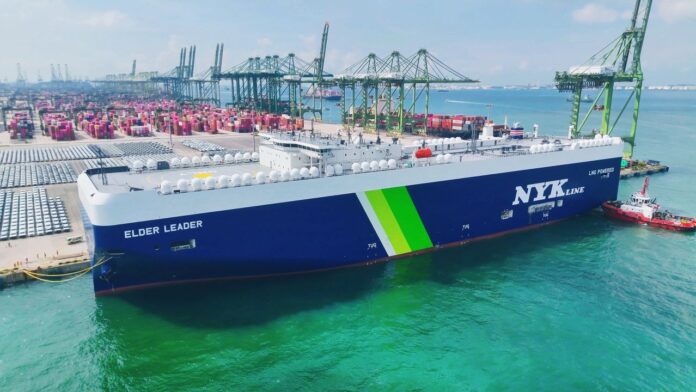
Japanese maritime shipping company Nippon Yusen Kabushiki Kaisha (NYK) has marked a significant technological milestone as its first autonomous-capable pure car and truck carrier (PCTC), the Elder Leader, completed its inaugural port call at the Port of Singapore on 29 April 2026.
The 200-meter-long vessel is fueled by liquefied natural gas (LNG), combining alternative propulsion engineering with advanced digitalization and autonomous navigation systems designed to reshape deep-sea fleet operations. To maintain strict safety protocols throughout its maiden voyage, the vessel remains fully manned by a standard professional crew.
Practical Validation of the 2024 MPA–NYK Strategic Framework
The Elder Leader’s deployment and subsequent port testing serve as a direct expansion of the 2024 Memorandum of Understanding (MoU) signed between NYK and the Maritime and Port Authority of Singapore (MPA). The bilateral agreement focuses on accelerating maritime decarbonization, digital transformation, and future seafaring workforce development.
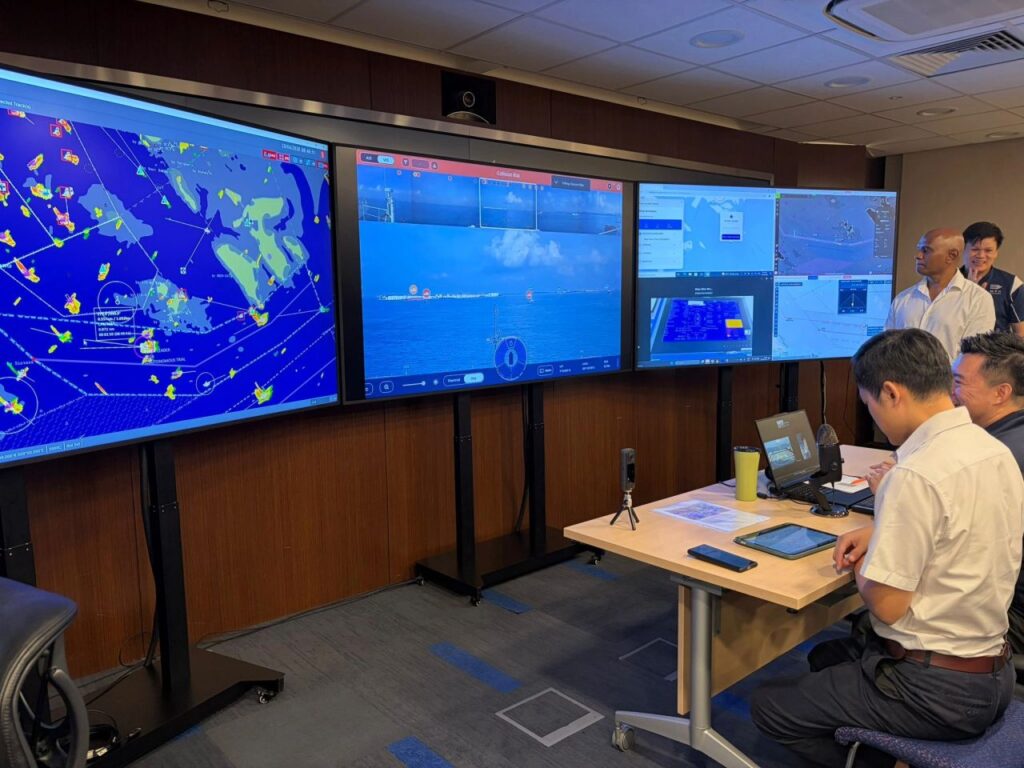
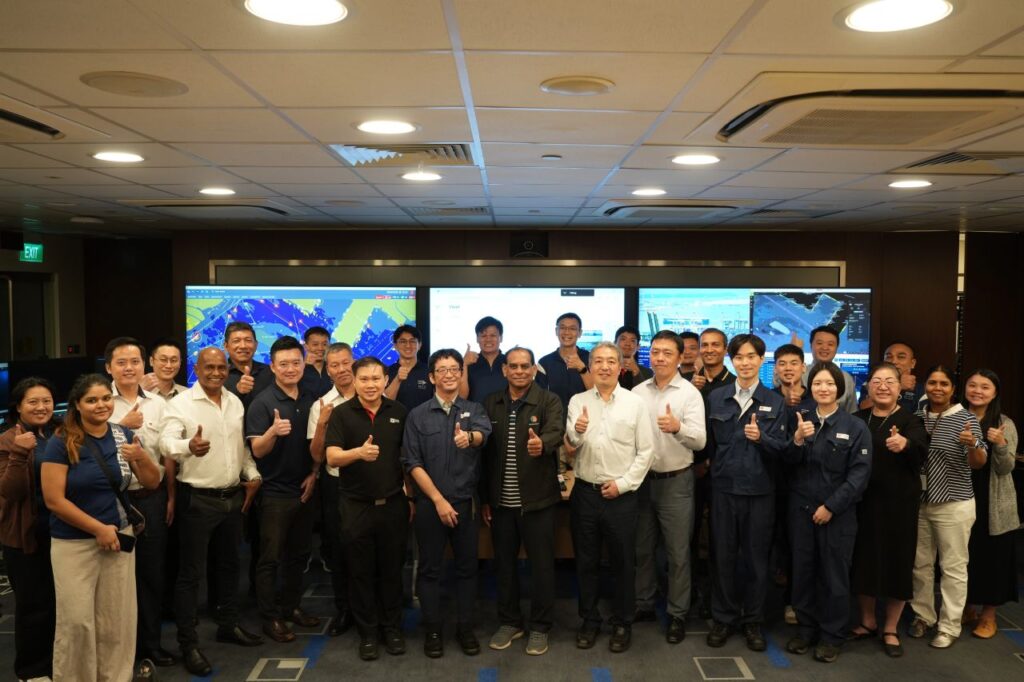
Working in close coordination with maritime research subsidiary MTI Co., Ltd., the project partners utilized the port stay to conduct active live-environment trials. These tests evaluated how shipboard autonomous guidance systems interface with shore-based traffic management networks within one of the world’s highest-density transshipment hubs.
Port Integration and Remote Pilotage Testing
The operational trials focused on ensuring complete integration between ship and shore systems, utilizing real-time data streaming while maintaining full crew override capabilities. Key components executed during the vessel’s call included:
- Just-in-Time (JIT) Optimization: The vessel integrated with MPA’s digital JIT platform to coordinate its precise arrival window. This optimized speed profiles during the approach, reducing fuel burn and coordinating the timely delivery of local marine support services.
- NGVTMS Route Data Transmission: The ship seamlessly transmitted its active passage and voyage route plans directly into the MPA’s Next-Generation Vessel Traffic Management System (NGVTMS) prototypes, allowing shore-based controllers to track and predict vessel positioning.
- Remote Pilotage Operations: Conducted in partnership with PSA Marine (PSAM), trials included the digital exchange of pilotage routes, the live transmission of high-definition video and telemetry data to a shore-based remote control center, and direct radio and data communications between the remote pilot and the vessel’s bridge team.
Setting Standards for Maritime Autonomous Surface Ships (MASS)
The insights gathered from these live trials provide data on how autonomous-capable vessels can operate safely, predictably, and efficiently alongside conventional maritime traffic.
The operational outcomes will directly support the ongoing development of the MPA’s NGVTMS infrastructure and updated global regulatory standards. This collaborative effort helps lay the groundwork for the safe commercial integration of Maritime Autonomous Surface Ships (MASS) into international supply chain networks.
อัพเดตข่าวสารและบทความที่น่าสนใจในอุตสาหกรรมโลจิสติกส์ก่อนใคร ผ่าน Line Official Account @Logistics Mananger เพียงเพิ่มเราเป็นเพื่อน @Logistics Manager หรือคลิกที่นี่